Best Scope for the Winchester Model 70 in 2026
By Peter Makulek · Senior Optics Editor · · Live prices from US retailers
Quick answer: for most Winchester Model 70 hunting rifles, a 3-9x40 or 3-10x44 second focal plane scope with a 1-inch tube is the right match. It is light, bright at first and last light, and plain enough to suit a classic rifle. Buy bases listed for your exact Model 70, choose rings tall enough to clear the objective bell, and check that the safety and bolt move freely once the scope is on.
The Model 70 has been called the rifleman's rifle for good reason. It is a bolt action with a long history, chambered for the classic big game cartridges such as the .270 Winchester, .30-06 Springfield, .308 Winchester and .300 Winchester Magnum. Owners range from hunters who bought a new Featherweight last season to people who inherited a rifle that has been in the family for decades. A scope that suits the first rifle is not always right for the second.
This guide covers magnification, objective size, how much to spend, first versus second focal plane, tube size, eye relief for the harder-kicking chamberings, mounting, and the extra care a vintage rifle deserves. Most hunting shots are inside 300 yards, so the picks below come from our live US catalog of in-stock scopes in the 2-4x to 9-10x range that suit a Model 70.
Top Picks — Live US Prices

Leupold VX-Freedom 3-9x40mm Rifle Scope, 1 in Tube, Second Focal Plane, Black, Matte, Non-Illuminated UltimateSlam Reticle, MOA Adjustment, 174184
via OpticsPlanet
$399.99

Burris Signature HD Scope 2-10x40 mm Rifle Scope, 1 in Tube, Second Focal Plane, Black, Matte, Non-Illuminated Ballistic E3 Reticle, MOA Adjustment, 200530
via OpticsPlanet
$399.99
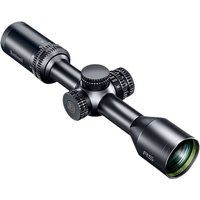
Bushnell R5 3-9x40 R5 Rifle Scope 1in, Second Focal Plane, Illuminated DOA-LRH800 Reticle, Black, R5-3940S25
via OpticsPlanet
$279.95
Buying Advice
Match the scope to the job. A Model 70 sporter used for whitetail from a stand or a ground blind needs very little: a 3-9x40 does everything, and a 2-7x or 2.5-8x is a fine choice if you hunt thick cover where a wide field of view and a bright low power picture matter more than reach. If you hunt open country for mule deer or pronghorn, a 3-10x44 or 3-12x42 gives you extra magnification for a careful shot at a longer range without pushing the weight up.
Second focal plane (SFP) is the practical choice for a hunting Model 70. The reticle stays the same apparent size as you change power, so it stays bold at low magnification in dark timber. Holdover marks, if the scope has them, are correct at one power only, usually the maximum. First focal plane (FFP) scales the reticle with the image and is worth considering only if you plan to shoot a heavier, target-style rifle at different distances. For a classic hunting rifle a simple duplex-style reticle is easy to learn and hard to beat.
Keep the budget in proportion to how you will use it. A Model 70 is a quality rifle, and it deserves decent glass, but a scope in the $200 to $500 range gives you multi-coated lenses, finger-adjustable turrets that track and years of reliable use for most hunters. Below about $150 you start to risk dim edges and turrets that wander. Above $700 you are paying for refinement that matters most at long range. A good, simple scope also keeps a classic rifle looking like one.
Think about the chambering. A .270 Winchester or .308 Winchester Model 70 has moderate recoil and any scope with 3.5 inches of eye relief will suit it. A .30-06 Springfield kicks a little harder, and a .300 Winchester Magnum more so, so look for 3.7 to 4 inches of eye relief and mount the scope as far forward as still gives you a full sight picture. If you own a Model 70 chambered for a big dangerous-game cartridge such as the .375 H&H Magnum, use a low-power scope with generous eye relief and a very sturdy mount, since recoil is severe and a high-power scope on such a rifle gains you nothing.
Mounting needs real care on a Model 70. Rifles from different eras and different production runs are not all the same, and the rifle may be short action or long action, standard or magnum, and may already have been drilled, tapped or fitted with bases by a previous owner. Do not assume a base made for another rifle will fit. Buy bases or a rail listed for your exact Model 70, state your model and chambering to the seller if you are unsure, and read the product listing for the rifle name. If you are unsure of the fit, a gunsmith can check it in minutes and it is far cheaper than a damaged receiver.
Check clearances once the scope is on. The Model 70 has a three-position safety at the rear of the bolt, and you should confirm that it moves through its full travel without touching the scope. Cycle the bolt fully and confirm the bolt handle clears the ocular bell, and that the objective bell clears the barrel. Rings that are too low are the most common cause of trouble. Level the reticle with a plumb line against a fixed vertical edge, torque the screws to the maker's setting, and set the eye relief with your normal shooting position and your eyes closed as you mount the rifle.
If the rifle is a vintage Model 70, think before you drill. Many older rifles are valuable to collectors, and drilling and tapping the receiver or altering the original finish can reduce the value of a rifle that has been in the family for years. Look first for no-gunsmithing options such as bases that use the existing holes, and ask a gunsmith or a collector who knows the model whether the rifle is worth preserving. A good scope can be moved to another rifle later. A cut that cannot be undone cannot.
Test the scope when it arrives. Look at a distant edge in daylight, run the power ring through its range and check the reticle is sharp when you focus the eyepiece. Zero at 100 yards, then confirm your hold at 200 and 300 yards with the ammunition you will hunt with. A quarter-MOA click moves the point of impact about 0.26 inch at 100 yards. A good scope and a sound rifle remove equipment as a source of error. They do not make a long shot ethical, so shoot only at distances you have practiced from field positions.
Frequently Asked Questions
What is the best scope for a Winchester Model 70?
A 3-9x40 or 3-10x44 second focal plane scope with a 1-inch tube suits most hunting Model 70 rifles. It is light, bright and has enough magnification for careful shots out to about 300 yards.
What magnification do I need for deer with a Model 70?
A 3-9x covers almost every deer shot. A 2-7x or 2.5-8x is a good choice in thick cover, and a 3-10x or 3-12x helps in open country. Keep the scope on low or middle power while you wait.
Which bases and rings fit a Winchester Model 70?
Buy bases or a rail listed for your exact Model 70, and check that the listing names the rifle. Rifles differ by action length and production run, and some already have bases fitted, so do not assume a part for another rifle will fit. A gunsmith can confirm the fit.
Is it safe to drill and tap a vintage Model 70?
It can reduce the value of a collectible rifle and cannot be undone. Look for no-gunsmithing options first, and ask a gunsmith or a collector before you alter an older rifle.
Does the Model 70 safety clear a scope?
It should with the right rings, but always check. After mounting, move the safety through its full travel, cycle the bolt fully and confirm nothing touches the scope or the bolt handle.
How much eye relief do I need on a .300 Win Mag Model 70?
Look for 3.7 to 4 inches or more, and mount the scope as far forward as still gives you a full sight picture so recoil does not bring it into your brow.
How much should I spend on a Model 70 scope?
Most hunters do well between about $200 and $500, which buys clear multi-coated glass and turrets that track. Spend more only if you will shoot past 400 yards.
FFP or SFP for a Model 70?
Second focal plane suits a hunting rifle, since the reticle stays bold at low power and a simple duplex reticle is easy to use. First focal plane only matters if you hold over or dial at several magnifications.
Related guides
Best scope for the Remington 700 in 2026: short vs long action bases, 3-9x40 vs 4-16x, rail and 20 MOA options for .308, .270 and .30-06, plus live US picks.
Best Scopes for the Tikka T3x (Lite, Varmint & CTR)Find the best scopes for every Tikka T3x variant—Lite, Varmint, and CTR. We cover mounting quirks, ring heights, rail gaps…
FFP vs SFP Scopes ExplainedFFP vs SFP explained: how reticle subtensions hold at every magnification, which disciplines favor each, and why FFP costs more. A 2026 buyer's guide.
Best Hunting Scopes for Deer Under $200 in 2026Find the best hunting scope for deer under $200 in 2026. We cover top picks for whitetail stands, low-light timber, and Western upgrades…
Best Scopes for .300 Win Mag in 2026Find the best scopes for .300 Win Mag in 2026. Our US buyer's guide covers magnification, reticles, turrets, and top picks for hunting elk, mule deer…
Best Scopes for Elk and Mule Deer HuntingBest scopes for elk and mule deer hunting in 2026 — magnification, BDC and illuminated reticles, and real picks from $299 budget to premium glass.
Not sure which scope is right for you?
Try our AI-powered scope finder — answer a few questions and get personalised recommendations.
Find My Scope →Get a scope tip every day
Follow AiScopes on Facebook for daily buying guides, deals and gear advice.
Follow on Facebook