Best Leupold Scopes for Deer Hunting in 2026
By Peter Makulek · Senior Optics Editor · · Live prices from US retailers
Leupold is the scope many deer hunters end up buying twice: once as a first good scope, and again when a second rifle needs one. The brand's hunting range is easy to understand once you see how it is laid out. The VX-Freedom is the value line, the VX-3HD is the long-time hunter's workhorse, and the VX-4HD and VX-5HD move up into premium glass and 30mm tubes. Picking the right one has more to do with how and where you hunt than with how much you want to spend.
This guide walks through the choices that matter for deer: how much magnification you actually use, whether a 40mm or 50mm objective earns its extra weight, which reticle to choose, and where each Leupold line makes sense. It is written around typical whitetail, mule deer and blacktail shots, which for most hunters fall well inside 300 yards.
The picks at the bottom are pulled from our live US catalog of in-stock Leupold second focal plane scopes in the classic deer configurations, so you can compare them side by side. Prices and availability update from the retailer.
Top Picks — Live US Prices

Leupold VX-Freedom 3-9x40mm Rifle Scope, 1 in Tube, Second Focal Plane, Black, Matte, Non-Illuminated UltimateSlam Reticle, MOA Adjustment, 174184
via OpticsPlanet
$399.99
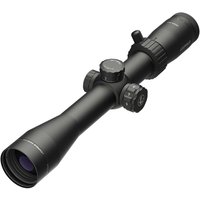
Leupold Mark 3HD 3-9x40mm Rifle Scope, 30 mm Tube, Second Focal Plane, Black, Matte, Red FireDot TMR Reticle, Mil Rad Adjustment, 180666
via OpticsPlanet
$419.99

Leupold VX-Freedom CDS 3-9x50mm Rifle Scope, 1 in Tube, Second Focal Plane, Black, Matte, Non-Illuminated Duplex Reticle, MOA Adjustment, 180613
via OpticsPlanet
$449.99
Buying Advice
Start with the line, not the model number. The VX-Freedom is Leupold's entry hunting scope, and for a stand rifle, a truck gun or a first big-game rifle it does the job: a clear image in good light, repeatable turrets and a proper guarantee behind it. The VX-3HD sits a step up (the Mark 3HD, listed with a 30mm tube, sometimes appears alongside it), and most hunters see the difference where it counts, in the last minutes of legal light when a dark shape has to stand out from dark timber. The VX-4HD and VX-5HD are the premium lines. They cost considerably more, and for a deer rifle shot inside 300 yards the gain is smaller than the price jump suggests. Spend up if you hunt a lot at dawn and dusk, or if you want one scope to live on a rifle for fifteen years.
A 3-9x40 is still the safest answer for whitetail. It starts wide enough for a deer stepping out at 40 yards and tops out at a power that still lets you place a shot at 250. A 4-12x40 adds reach for big fields, cutlines and western hunting, with a slightly narrower view at the bottom. Whatever you buy, leave it on a low or middle power while you wait: it is far easier to find a deer at 4x and turn the ring than to find it through a narrow 12x picture. A 3.5-10x or 4.5-14x is the next step up in the VX-3HD range if you regularly shoot across open ground.
Choose between 40mm and 50mm by when you hunt. The image brightness your eye can use is set by the exit pupil, which is the objective diameter divided by the magnification. At 9x a 40mm gives 4.4mm and a 50mm gives 5.6mm. In the last half hour of light, when your own pupil is wide open, that extra millimetre is real. At 4x or 5x both are already brighter than your eye can use. A 50mm costs you weight and needs higher rings, and it can make a good cheek weld harder to find on a rifle with a low comb. If you sit field edges at first and last light, take the 50mm. For carrying all day through timber, the 40mm is the more comfortable choice.
Pick a reticle you can see in the woods. The classic duplex-style reticles, Leupold's own among them, use thick outer posts that lead your eye to a fine centre, and they stay readable against dark trees at dusk. Leupold's ballistic and CDS options add holds or a custom elevation turret for your load. They only help if you confirm where each mark lands with your own ammunition at the distances you expect to shoot. A reticle you have never checked past 100 yards is a decoration, not a ballistic tool.
Understand what CDS means before you pay for it. A Custom Dial System turret is engraved for your cartridge, so you dial a distance instead of counting clicks. It is a neat answer for a hunter who ranges every shot, and it only works with the ammunition and velocity it was built for. If you switch bullet weights, or hunt at elevations very different from where you zeroed, the numbers drift. Treat it as a convenience, confirm it at the range, and keep a printed drop card in your pack for backup.
Second focal plane is the right default for a deer rifle. In a second focal plane scope the reticle stays the same size as you zoom, so it remains bold at low power, where most deer are shot. The hold marks are only correct at one magnification, usually the highest, so learn which one it is and what the marks mean at other settings. First focal plane scopes keep the marks valid at every power, but at 3x or 4x the reticle can shrink to a thin line that is hard to see in the woods. For a rifle used inside 300 yards, second focal plane is simpler and cheaper.
Eye relief and mounting matter as much as the scope. Check the eye relief figure on any model against the recoil of your rifle. A hard-kicking .300 Win Mag or .338 deserves every inch you can get, and the scope must be mounted so you see a full picture the moment your cheek touches the stock with the power turned down. Torque the rings to the maker's figure, level the reticle with the rifle, and zero with the same ammunition you will hunt with. Good rings and bases are worth more than moving up a model line.
Match the scope to the rifle and cartridge. A .243, .270, .308, .30-06, 7mm-08 or 6.5 Creedmoor deer rifle is well served by a 3-9x40 or 4-12x40 on a 1-inch tube. Straight-wall cartridges such as .350 Legend and .450 Bushmaster rarely need more than 9x, and a lower-power scope is lighter and easier to carry. For a rifle that doubles as an elk or open-country mule deer rifle, move up to a 4.5-14x or a 3-15x so you can place shots confidently beyond 300 yards.
Tube size is a mounting choice, not a quality ranking. A 1-inch tube suits most deer rifles and has the widest choice of rings. A 30mm tube gives more internal adjustment, which matters for long-range dialling, and the VX-4HD and VX-5HD use it. If you hunt inside 300 yards, you will not use that extra travel. Weigh the whole setup instead: scope, rings and base can add well over a pound to a light mountain rifle, and a top-heavy rifle is harder to hold steady off a stick.
Check the scope when it arrives. Look through it at a distant edge in daylight, run the power ring end to end, and confirm the turrets click cleanly. Once it is mounted, fire a box test: shoot a group, dial a set number of clicks in each direction, return to zero and confirm the group comes back to the same place. A scope that fails that test in September will fail you in November, and it is far easier to return before the season. Leupold backs its scopes with a lifetime guarantee, but read the terms and keep your receipt.
Rules vary by state. Some states restrict features such as illuminated reticles or magnified optics during muzzleloader and primitive-weapon seasons, and legal shooting hours differ. Check your state wildlife agency's current regulations for the season you hunt. This is general information, not legal advice.
Which Leupold should you buy? For a first deer rifle or a budget stand gun, the VX-Freedom 3-9x40 is the sensible, no-fuss answer. For a rifle that will see a lot of dawn-and-dusk sits, the VX-3HD 3.5-10x40 or 3.5-10x50 is where the glass starts to earn its price. For open country and longer shots, the 4.5-14x VX-3HD or a VX-4HD gives you the reach. Whichever you choose, put the money you save by staying inside your budget into good rings and a box of the ammunition you will hunt with.
Frequently Asked Questions
Which Leupold scope is best for deer hunting?
For most hunters, a VX-Freedom 3-9x40 is the sensible entry point and a VX-3HD 3.5-10x40 is the step up that improves low-light performance. Choose the model by where you hunt: close timber, field edges or open country, then match magnification and objective size to that.
Is the Leupold VX-Freedom good enough for deer hunting?
Yes. It is Leupold's value hunting line and handles typical whitetail distances without trouble. What you give up compared with the VX-3HD is some low-light brightness and edge-to-edge sharpness, which matters most in the last minutes of legal light.
What magnification do I need for deer hunting?
A 3-9x covers most whitetail situations, from close shots in timber to careful shots across a field. A 4-12x or 4.5-14x suits open country. Keep the scope on a low power while you wait and turn it up only when you have time for a longer shot.
Is a 50mm objective worth it for deer?
It helps most in the last half hour of light, at higher magnifications, where a larger exit pupil gives a brighter image. It also adds weight and needs taller rings. If you mostly sit field edges at dawn and dusk, it is worth it; for carrying through timber, a 40mm is lighter and mounts lower.
Should I buy a Leupold with a CDS turret?
A CDS turret is useful if you range your shots and want to dial instead of holding over. It is engraved for one load, so confirm it with your own ammunition at the range, and keep a printed drop card as a backup.
What reticle is best for deer hunting?
A duplex-style reticle with thick outer posts is the classic choice, because it stays visible against dark timber at dusk. A ballistic or BDC reticle helps for longer shots only if you have confirmed the holds with your own load.
First or second focal plane for a deer rifle?
Second focal plane suits most deer hunters, because the reticle stays bold at low power, where most deer are shot. First focal plane is for hunters who dial or use holds at several magnifications for long shots in open country.
Related guides
What $250 to $500 buys in a deer scope: low-light glass, 3-9x40 vs 3-9x50 vs 4-12x40, reticles, eye relief and live US picks in stock.
Best Hunting Scopes for Deer Under $200 in 2026Find the best hunting scope for deer under $200 in 2026. We cover top picks for whitetail stands, low-light timber, and Western upgrades…
How Much Magnification Do You Actually Need for Tree-Stand Whitetail?Discover exactly how much scope magnification you need for tree-stand whitetail hunting. We break down power ranges, FOV…
Best Leupold Scope for .300 Win Mag in 2026Choosing a Leupold scope for .300 Win Mag? Compare the VX-3HD 4.5-14x40 and Mark 5HD 3.6-18x44 with real 2026 US pricing, eye relief and turret specs.
Vortex vs Leupold vs Nightforce 2026Vortex, Leupold, or Nightforce? We compared real US pricing (from $99 to $4,000+), warranties, and use cases across all three brands so you buy the right…
Best Scopes for Elk and Mule Deer HuntingBest scopes for elk and mule deer hunting in 2026 — magnification, BDC and illuminated reticles, and real picks from $299 budget to premium glass.
Not sure which scope is right for you?
Try our AI-powered scope finder — answer a few questions and get personalised recommendations.
Find My Scope →Get a scope tip every day
Follow AiScopes on Facebook for daily buying guides, deals and gear advice.
Follow on Facebook