How to Set Your Scope's Diopter If You Wear Glasses
By Peter Makulek · Senior Optics Editor · · Live prices from US retailers
Quick answer: put on the glasses you will shoot in, point the scope at a blank bright surface such as the sky or a white wall, and turn the eyepiece until the reticle is sharp the instant you look. Glance for a second or two at a time and look away between tries. When the reticle is crisp at first glance, lock the ring and leave it alone. Then use the parallax or side focus knob, not the eyepiece, to sharpen the target.
The diopter is the adjustment at the back of the scope, on the eyepiece. It has one job: to focus the reticle for your eye. It does not focus the target, and it does not need to change with distance. Many shooters who wear glasses fight a blurry sight picture for years because they treat the eyepiece as a focus knob and turn it every time the target looks soft.
This guide gives the procedure step by step, explains how reticle focus differs from parallax, and covers the questions glasses wearers ask most: distance glasses or readers, what to do about bifocals and progressives, and why astigmatism makes some reticles impossible to get fully sharp. The picks below are general-purpose hunting scopes from our live US catalog.
Top Picks — Live US Prices
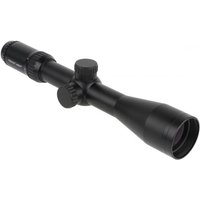
Primary Arms Classic Series Rifle Scope, 3-9x44mm, Second Focal Plane, Duplex Reticle, Black, 610053
via OpticsPlanet
$99.99
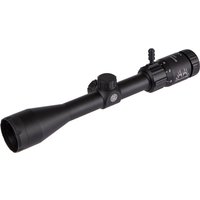
SIG SAUER Buckmasters Rifle Scope, 3-9x40mm, 1 inch Tube, Second Focal Plane, BDC Reticle, Black, SOBM33001
via OpticsPlanet
$99.99

SIG SAUER Buckmasters 3-12x44mm Rifle Scope, 1in Tube, Second Focal Plane, BDC Reticle, Black, Small, SOBM43001
via OpticsPlanet
$104.99
Buying Advice
Decide first what you will wear when you shoot, and set the diopter that way. If you hunt and shoot in your distance glasses, set it with those on. If you wear contacts in the field, set it with contacts in. The setting belongs to one eye and one correction. If you set it bare-eyed at the bench and then hunt in glasses, the reticle will be soft when it counts.
Here is the full procedure. One: mount the scope, or rest it steady, and turn the magnification to the highest power you use. Two: if the scope has a parallax or side focus knob, set it to infinity. Three: point the scope at a plain bright background with nothing to focus on, such as open sky away from the sun or a blank wall. Four: turn the eyepiece all the way out until the reticle is clearly blurred. Five: look away at something distant for a few seconds, then glance through the scope for one or two seconds and judge the reticle. Six: turn the eyepiece in a little, look away, and glance again. Repeat until the reticle is sharp and black the moment your eye lands on it. Seven: tighten the lock ring if your scope has one, and mark the position with a paint pen or a strip of tape.
The short glance matters more than any other step. Your eye works to bring a blurry object into focus, and given three or four seconds it will often manage it. That hides a wrong setting and leaves you with eye strain and a reticle that drifts out of focus when you are tired. A quick look shows you what the scope is doing before your eye starts to compensate. This is also why you use a blank background. With a target in view, your eye locks onto the target and you cannot judge the reticle alone.
Now the difference between the diopter and parallax. The diopter focuses the reticle for your eye. The parallax adjustment, either a side knob or a ring on the objective, focuses the target image so that it falls on the same plane as the reticle. Set the diopter once. Adjust parallax every time the distance changes. To check it, hold the rifle still on a rest and move your head slightly up and down. If the reticle appears to slide across the target, turn the parallax knob until it stays put. The yardage numbers on the knob are a guide and often do not match the true setting.
Many hunting scopes have no parallax adjustment. Their parallax is fixed at the factory, commonly at 100 or 150 yards, and the target can look slightly soft at very close or very long range. That is normal, and the diopter is not the cure. If you turn the eyepiece to sharpen a 25-yard target, you have just defocused the reticle. Leave the eyepiece on its mark and back the magnification down instead.
Distance glasses or readers? Use your distance correction. A scope presents the reticle and the target to your eye as if they were far away, so the lenses that let you read a road sign are the ones that work behind a scope. Reading glasses are made for objects at arm's length and will blur the picture. If you need readers only for close work and see well at distance without glasses, set the diopter with no glasses on and shoot that way, with safety glasses that have no prescription.
Age matters here too. From the mid-forties on, the eye loses much of its ability to change focus. A younger shooter can get away with a diopter that is a little off because the eye quietly corrects it. An older shooter cannot, so the setting needs to be right, and it is worth rechecking each season and after any new prescription.
Bifocals and progressive lenses cause a specific problem. When your head is down on the stock, you look through the upper inside corner of the lens, not the center. With progressives that part of the lens may not hold your full distance correction, and small head movements change the focus. Set the diopter with your head in your real shooting position, not sitting upright. If the reticle still shifts as your head moves, ask your optometrist about single-vision distance glasses for shooting. Take the rifle's stock measurements or a photo of your shooting position so they can see where you look through the lens.
Astigmatism is the case the diopter cannot fix. The eyepiece adds or subtracts plain focusing power, the same in every direction. Astigmatism means your eye focuses differently in different directions, which glasses correct with a cylinder at a set angle. The sign is a reticle where one wire is sharp and the other is soft: you get the vertical wire crisp and the horizontal wire blurs, or the reverse. No diopter position will sharpen both. The answer is to shoot in glasses or toric contacts that correct the astigmatism, then set the diopter with them on. If a red dot looks like a smear or a starburst, the same thing is happening.
A few checks will save you a wasted range trip. If you run out of adjustment before the reticle sharpens, your prescription is outside the scope's diopter range and you need to wear your correction. If the reticle is sharp but the target never is, look at parallax, mirage, or dirty lenses before you blame your eyes. If someone else shoots your rifle, they will need their own setting, which is why you marked yours. For any change in your vision that comes on suddenly, see an eye doctor. A scope adjustment is not the answer to that.
Frequently Asked Questions
Should I set my scope diopter with my glasses on or off?
Set it the way you will shoot. If you wear glasses or contacts in the field, set the diopter with them on. The setting is only correct for that eye and that correction.
What does the diopter on a rifle scope do?
It focuses the reticle for your eye. It does not focus the target. Set it once and lock it.
What is the difference between diopter and parallax?
The diopter focuses the reticle for your eye. Parallax or side focus puts the target image on the same plane as the reticle, and you adjust it for each distance.
Why should I only glance at the reticle when setting it?
Your eye will pull a slightly blurred reticle into focus after a few seconds, which hides a wrong setting. A one or two second glance shows the true focus.
Should I use reading glasses or distance glasses behind a scope?
Distance glasses. A scope presents the image as if it were far away, so reading glasses will blur it.
Can the diopter correct astigmatism?
No. It changes focus equally in all directions. If one reticle wire is sharp and the other is soft, wear glasses or toric contacts that correct your astigmatism and set the diopter with them on.
Why does my reticle go blurry with progressive lenses?
In a shooting position you look through the upper inside corner of the lens, where the correction may differ. Set the diopter in your real shooting position, or ask about single-vision distance glasses for shooting.
How often should I reset the diopter?
Check it each season and after any change of prescription. Mark the position so you can see if the eyepiece has been turned.
My target is blurry at close range but the reticle is sharp. What is wrong?
Nothing is wrong with the diopter. A scope with fixed parallax is set for about 100 or 150 yards. Turn the magnification down for close targets and leave the eyepiece alone.
Related guides
Find the best rifle scopes and red dots for glasses wearers and astigmatism. We cover eye relief, forgiving eyeboxes, red-dot blur fixes…
FFP vs SFP Scopes ExplainedFFP vs SFP explained: how reticle subtensions hold at every magnification, which disciplines favor each, and why FFP costs more. A 2026 buyer's guide.
MOA vs MRAD: Which Reticle System Should You Choose?MOA vs MRAD explained for US shooters. Learn what each system means, which suits hunting or long-range PRS, how to convert between them…
Red Dot + Magnifier vs LPVO vs Prism: Which AR-15 Optic Setup Wins?Red dot with magnifier, LPVO, or prism scope for your AR-15? Our 2026 US buying guide compares weight, eye relief, speed…
Best Scopes for Elk and Mule Deer HuntingBest scopes for elk and mule deer hunting in 2026 — magnification, BDC and illuminated reticles, and real picks from $299 budget to premium glass.
Not sure which scope is right for you?
Try our AI-powered scope finder — answer a few questions and get personalised recommendations.
Find My Scope →Get a scope tip every day
Follow AiScopes on Facebook for daily buying guides, deals and gear advice.
Follow on Facebook